Black box car insurance has been sold as a simple deal for younger drivers: accept monitoring, drive safely, pay less. That headline is accurate but incomplete. The real picture involves three distinct device technologies, five individually weighted scoring factors, meaningful data protection rights under UK law, and a genuinely broader range of drivers who stand to benefit. This guide works through the mechanics in full - so you can make a considered decision rather than take a product on faith.
What Black Box Car Insurance Actually Is
'Black box insurance' is the colloquial name for telematics car insurance, where a monitoring system tracks your driving behaviour and reports data back to the insurer. The insurer uses that data to adjust your premium, reward safer driving, or in some policies flag risk patterns that could affect renewal terms.
The phrase 'black box' technically refers only to a hardwired hardware unit. It became a catch-all label even though many policies today use no physical black box at all, relying on a plug-in dongle or a smartphone app instead. Understanding that distinction matters before you buy, because the device format affects accuracy, portability, and what happens at the end of your policy.
Telematics insurance appeared in the UK in the early 2000s but remained niche until roughly 2010, when cheaper GPS hardware and smartphone adoption made the economics viable at scale. Today the global insurance telematics market is substantial and growing rapidly - analysts project continued strong double-digit annual growth through the mid-2030s, reflecting how quickly the technology has shifted from niche product to standard offering across most major UK insurers.
Three Device Formats Compared
The insurer and policy tier you choose will determine which format you receive. Each carries real trade-offs.
Hardwired unit
A professionally installed device wired into the car's electrical system, typically housed under the bonnet or behind the dashboard. Installation takes around an hour and must be booked through the insurer's approved fitter network. Miss the appointment without cancelling in advance, and some insurers apply a no-show charge - check whether your policy includes this before booking.
The hardwired unit is the most data-accurate format because it draws directly from the vehicle's own systems rather than relying solely on GPS or accelerometer data. It cannot be forgotten at home or accidentally unplugged. The disadvantage is portability: if you change cars mid-policy, the unit must be professionally deactivated and a new one fitted, which takes time and may trigger an admin charge.
OBD-port dongle
A self-fit device that plugs into the OBD-II diagnostic port. Under EU-derived rules, petrol cars sold in the UK have been required to carry this port since January 2001 and diesel cars since January 2004, so it is found in virtually all UK-registered petrol and diesel cars built from 2004 onwards and in most petrol cars before that date. Installation takes minutes and requires no technician. The dongle reads vehicle telemetry directly from the car's onboard diagnostics, giving reasonable accuracy for speed and mileage data, though it lacks the dedicated sensors of a hardwired unit for capturing braking and acceleration forces with the same precision.
The key advantage is portability - you take it with you when you change cars. The risk is that it can be unplugged accidentally or deliberately, which insurers typically treat as a breach of policy terms.
Smartphone app
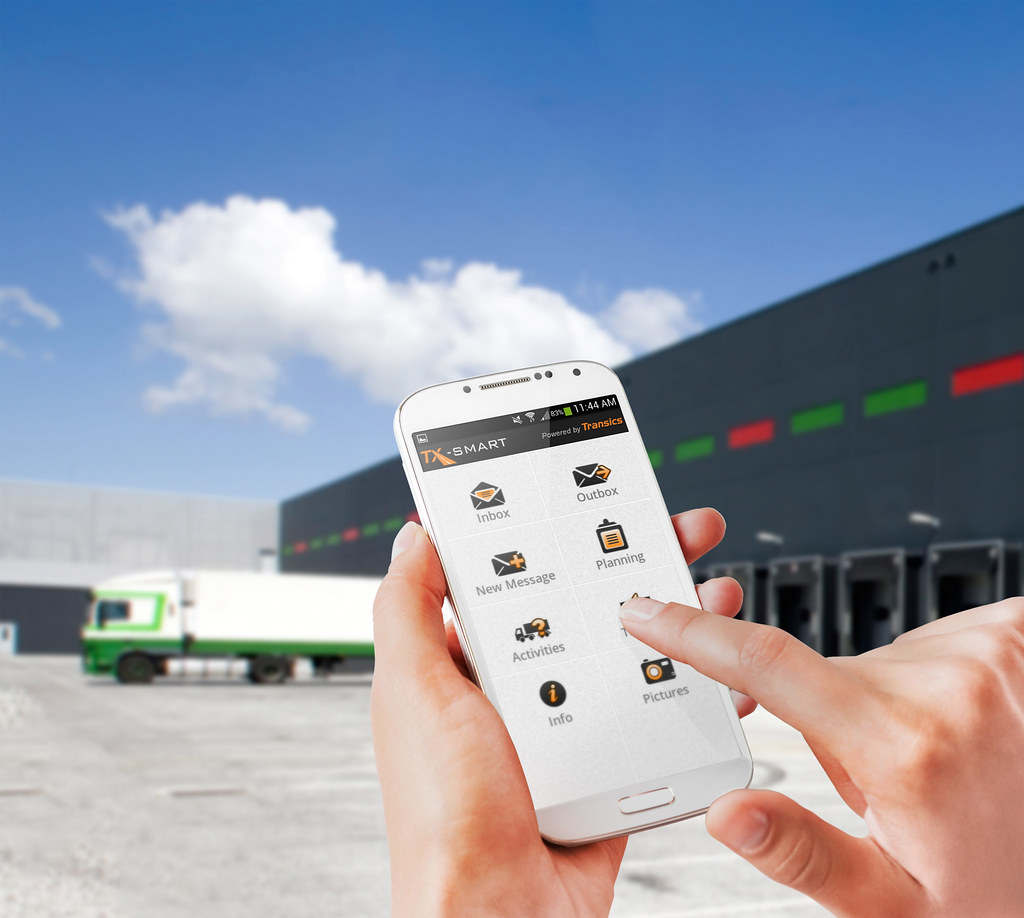
No hardware at all. The insurer's app uses your phone's GPS, accelerometer, and gyroscope to capture journey data. This is the easiest format to start with and the lowest barrier to entry, but accuracy depends on signal quality, phone placement, and consistency of use. Apps can misidentify the mode of transport - classifying a bus journey as driving, for instance - and some require manual trip confirmation to filter out non-driving data.
App-based policies are increasingly common among newer providers. Some advanced systems now flag suspected smartphone use at the wheel - a serious traffic offence under UK law carrying a significant penalty points total and a fixed penalty fine. Knowing your insurer's app detects this is itself a useful reminder of the legal stakes.
What the Device Actually Measures
Most telematics policies score driving on five core factors, each contributing to an overall rating on a 1-to-100 scale:
- Speed compliance - not just whether you exceed a limit, but by how much and how frequently.
- Braking - hard or sudden braking events, which indicate insufficient following distance or delayed hazard recognition.
- Acceleration - rapid or aggressive acceleration is scored negatively regardless of whether the resulting speed is legal.
- Road type - the mix of roads you use. Motorway driving typically scores better than urban driving because hazard density is lower and speed profiles are more consistent.
- Time of day - many insurers treat driving in the late-night and early-morning hours as higher risk, independently of how safely you drive during those periods. Regular driving in that window can depress your overall score even if your speed, braking, and acceleration scores are strong.
That last factor surprises many drivers. Time of day is a separate scoring variable, not a proxy for risky behaviour. It reflects statistical accident probability during those hours rather than your individual driving standard in the moment. A driver who works nights or returns from events regularly will see this affect their score regardless of how carefully they drive.
Scores are typically recalculated periodically once a minimum mileage threshold has been covered since the previous calculation - check your insurer's terms for the specific trigger. Infrequent drivers may go longer between updates. Most provider apps show a rolling breakdown by individual factor, which lets you identify exactly where points are being lost rather than guessing.

Who Genuinely Benefits - and Who Probably Doesn't
The 'young driver saves money' framing is accurate but covers only a fraction of drivers who stand to gain from telematics.
Young and new drivers benefit most dramatically because standard actuarial pricing assigns them the highest statistical risk regardless of their actual behaviour. A telematics policy gives a newly licensed driver the means to demonstrate they are not the average member of their age cohort. Industry data from Quotezone in Q4 2025 showed more than three-quarters of drivers aged 17 to 20 received a cheaper telematics quote than a standard one. For most in this group, telematics is not just an option - it is the most practical route to affordable cover.
Post-conviction drivers face elevated premiums that can persist for years after a motoring offence. A telematics policy lets the insurer price on observed current behaviour rather than historical record alone. Drivers with a recent conviction often find telematics one of the few ways to access reasonably priced cover outside the specialist market.
High-premium postcode residents pay more on standard policies purely because of where they live, irrespective of their personal driving record. Telematics creates a path to individual pricing. A driver in a dense urban area with high theft and accident rates can demonstrate through actual data that their own journeys and habits sit below the average risk their postcode carries.
Low-mileage drivers of any age - including older drivers who have retired and no longer commute - often find usage-based pricing attractive because it rewards those who simply spend less time on the road. This group is rarely mentioned in telematics marketing, yet the logic is straightforward: fewer exposure hours means lower risk, and a telematics policy can price that directly.
Who probably doesn't benefit: an experienced driver with a long no-claims history, a clean licence, a low-risk postcode, and moderate annual mileage. Standard pricing is already working in that driver's favour. Adding telematics introduces monitoring overhead and the risk that legitimate but unusual trips - a night shift return, a route through a higher-density area - drag the score down without meaningful premium reward in return.
What the Savings Actually Look Like
The savings for young drivers are real and well-documented. Research from Compare the Market published in March 2026 confirmed a meaningful annual saving for drivers aged 17 to 20 on telematics policies versus standard ones, with a substantial majority of those drivers finding telematics to be their most affordable option. Quotezone's Q4 2025 data found that around 83% of drivers aged 17 to 19 chose telematics over standard cover, with a significant median price gap between the two policy types. ABI data showed a notable year-on-year fall in average premiums for 17-year-olds in Q3 2025, with telematics uptake widely cited across the industry as a contributing factor - check abi.org.uk for the ABI's own published analysis of current trends.
For older drivers, post-conviction motorists, or high-premium postcode residents, savings are less uniform. The benefit depends on how heavily standard pricing penalises the specific risk factor in question, and whether a telematics discount is large enough to beat a well-shopped standard quote for that profile.
There is a ceiling on discounts. Even consistently high-scoring drivers can only reduce their premium so far, and the maximum discount varies by provider. Once you reach that ceiling, the monitoring continues but the financial benefit does not grow further. For current savings figures relevant to your profile, comparison sites that show telematics and standard quotes side by side are the most useful tool. The Association of British Insurers publishes aggregate premium data at abi.org.uk for broader market context.

Curfews, Mileage Caps, and the Myths Worth Busting
The most persistent myth about black box insurance is that a single late drive will void your policy or trigger an immediate premium increase. Most policies don't work that way. What happens is that habitual late-night driving depresses the time-of-day component of your score, which may affect your renewal premium or mid-term review. A one-off return from a flight or an event at 2am is unlikely to materially alter your overall score if your broader driving history is clean.
Hard curfews are a different matter and vary significantly by provider. Some policies impose genuine restrictions - typically penalising or prohibiting overnight driving between around 10pm and 6am. Marmalade, by contrast, operates without an overnight curfew, making it a materially different product for drivers who work shifts or travel regularly in the evening. This variation between providers is rarely laid out clearly enough for consumers to compare properly at purchase. If your work or lifestyle involves regular driving after 10pm, this is a specific clause to read before committing, not after.
Mileage caps exist on some policies and not others. Exceeding a declared annual mileage can affect the validity of your cover. Check whether your policy has a cap, what the process is to increase it if your circumstances change, and whether exceeding it triggers a breach or simply a premium adjustment.
The idea that telematics penalises motorway driving is backwards. Longer, smoother journeys on higher-speed roads typically score well on the road-type factor. If your driving is almost entirely urban, your road-type score may be suppressed simply by the mix of roads you use rather than by any fault in your actual driving.
Your Data and Privacy Rights
Telematics data is personal data under UK GDPR. Your insurer is legally required to tell you what is collected, how it is used, how long it is retained, and who it may be shared with. This information must appear in the policy privacy notice - read it, because the detail varies significantly between providers.
You have the right to submit a Subject Access Request to see the data held about you, and the right to request deletion of your personal data when the policy ends, subject to any legitimate retention grounds the insurer can demonstrate - such as ongoing claims, regulatory obligations, or fraud prevention. The Information Commissioner's Office at ico.org.uk sets out these rights in plain terms if you want to understand the process before approaching your insurer directly.
Around a quarter of UK drivers cite data misuse, security breaches, or location tracking as reasons they have not taken up telematics cover, according to research by IMS published in Insurance Edge in September 2025. These are legitimate concerns. Before signing up, ask the insurer directly: what data is transmitted in real time versus stored locally on the device, who outside the insurer can access it, and what the deletion process is at the end of the policy.
The sold-car device problem is rarely discussed but affects real buyers. When a hardwired black box is deactivated at the end of a policy, insurers routinely leave the unit physically in the car rather than pay a technician to retrieve it. Buyers of used cars may unknowingly purchase a vehicle containing a previous owner's inactive tracking device. If you are selling a car with a hardwired unit installed, tell the buyer. If you are buying a used car and unsure, ask the seller directly and, if uncertain, have a garage check behind the dashboard and under the bonnet for any non-original wiring.
How to Improve Your Driving Score
A better score comes from smoothness and consistency rather than from driving slower across the board.
- Accelerate gradually. Pull away from stops with light throttle pressure. Hard acceleration from junctions or roundabouts is one of the most common score-depressors and easy to correct once you're aware of it.
- Increase following distance. More space ahead means earlier, gentler braking. Individual harsh braking events are logged and weighted heavily in most scoring systems.
- Check your app weekly. Most providers break down your score by factor. Identify which specific factor is pulling the number down rather than making unfocused adjustments to your general driving.
- Plan timing for discretionary trips where you can. If time-of-day is shown as a drag on your score, shifting optional journeys away from the late-night window - even occasionally - will improve that component over the scoring period.
- Include motorway trips in your mix. Longer, smoother journeys on faster roads typically contribute positively to the road-type factor. If your driving is almost entirely local and urban, this component may be pulling your overall score down regardless of how well you drive.
Is Black Box Insurance Right for You? Five Questions to Ask
Work through these before choosing a policy rather than assuming telematics is automatically better or worse than standard cover.
- Is telematics actually cheaper for my specific profile? Run a comparison that shows both telematics and standard quotes for your age, postcode, vehicle, and history. If the difference is marginal, the monitoring overhead may not be worth it. If the difference is significant, the case for telematics is straightforward.
- Does my routine conflict with the policy's time-of-day rules? If you work shifts, perform regularly, or drive frequently in the hours classified as higher-risk, find out whether the insurer imposes a hard curfew or simply scores those hours negatively, and what the practical effect on your premium would be.
- Which device format is being offered, and does it suit how you use your car? If you switch vehicles often, a hardwired unit creates friction. If you want the most accurate scoring to reflect your actual driving standard, a smartphone app may undersell your performance compared with a hardwired unit.
- How and when does safe driving actually reduce your cost? Some policies offer mid-term premium reductions for consistently high scores; others adjust only at renewal. Understanding the mechanism matters for knowing whether the monitoring translates into timely financial benefit.
- What are your data rights and what is the deletion process at policy end? If data privacy matters to you, get a clear answer from the insurer before committing. Ask whether location data is stored on the device, transmitted to a server, or both - and confirm in writing how deletion is handled once your policy closes.
Telematics insurance is no longer a product designed exclusively for newly licensed drivers. The mechanics are more sophisticated, the device options more varied, and the pool of drivers who genuinely benefit is wider than standard marketing suggests. For any driver whose standard premium feels disconnected from their actual behaviour, it is worth a serious look - provided you go in with a clear understanding of what is being monitored, and what rights you hold over the data it produces.